the found family trope in fiction is an inherently queer trope because it directly involves deconstructing the heteronormative notions of what family is and involves defining what family is for oneself rather than assuming that the people you are biologically related to are always going to support and care for you. Furthermore it inherently deconstructs and challenges amatonormativity because rather than focusing on a central romantic relationship as the genesis for a family and on forming a romantic partnership as what constitutes making a family, it is focused on close non-romantic bonds. In this essay I will
Where’s the essay OP
Well enough people mentioned it so…
The found family trope in fiction is an inherently queer trope because it directly involves deconstructing the heteronormative notions of what family is and involves defining family for oneself rather than assuming that the people you are biologically related to are always going to support and care for you. Furthermore it inherently deconstructs and challenges amatonormativity because rather than focusing on a central romantic relationship as the genesis for a family and on forming a romantic partnership as what constitutes making a family, it is focused on close non-romantic bonds. There is an overwhelming preoccupation with family as something immutable and constant because you’re related to them and challenging that is valuable for anyone who for whatever reason is no longer in touch or on good terms with their family. This is a discussion that extends beyond the context of challenging heteronormativity or amatonormativity, but that is the aspect of it that interests me and which I will be focussing on. For the purposes of this essay I will be using queer to encapsulate LGBTQIA+ identities due to the terms wide acceptance in academic circles in the context of queer theory, and because of the application of queer as a verb. This is not just about dismantling heteronormative assumptions and constructs, this is about queering the idea of what family can be and how it is formed.
The found family or family of choice trope, is described by TV Tropes as when characters “mourn the lack of family in their lives and decide to build [a family] of their own out of people they care for and who care for them in turn”. This is important, because the trope often occurs because of stressful or unpleasant family circumstances for one or more of the characters in question, though it is not necessary that this be the case. Because of this, the found family need not be as homogenous and monolithic as a family related to each other, and as such is a great exemplification of solidarity– a very important part of what makes the queer community a singular community rather than many fragmented ones. Disparate members of the community may not face the same challenges, oppression, or stigma, but that does not mean they cannot find common ground and support each other through those various tribulations. Likewise, the found family need not be unified by the same background, the same lived experiences, or even the same reasons for seeking a found family. It is the decision and dedication to loving and supporting one another, to coming together on the common ground they do have and expressing solidarity for that they do not. Beyond it’s values, the trope also serves a valuable role for queer viewers in that it provides a reassuring and valuable alternative to queer folks who are not accepted by their biological families. When as story tells you that a family can be whatever you choose, that the bonds between them are ones of choice rather than biological or legal factors outside their control, that is greatly reassuring to people who need to find a new support structure outside the one they were raised with. At its core the found family is not just representative of quee values, it unseats traditional notions about family structures and challenges heteronormativity– as does any familial unit that does not fall into the narrow confines of a monogamous, straight cis couple and their biological children to varying degrees. It removes the typical vision of a straight couple at the core of a family, the parental homestead as a place always there to come home to, and replaces it with a chosen group to form a trusted and loving community.
The archetypal family unit is deeply tied to heteronormativity as it is centred around a straight marriage as the immutable core of a family, but even more so it is tied to amatonormativity. Amatonormativity is a term originated by Elizabeth Brake to, in her words, “describe the widespread assumption that everyone is better off in an exclusive, romantic, long-term coupled relationship, and that everyone is seeking such a relationship”. Again, it is a concept that has application in a number of contexts, but it is chiefly interesting to me in the context of aromantic identities because that is where my personal experience lies, thought it should be noted that there is a large overlap in the ways it harms aromantic and polyamorous people. There is a widespread conception that settling down and starting a family is a universal goal and moreover, is accomplished in a universal way. Amatonormativity manifests itself in this assumption, and unlike heteronormativity, it is not exclusive to that idea of the archetypal family. While it is mainly concerned with the (monogamous) romantic relationship aspect of “settling down”, it often goes hand in hand with the assumption that settling down means children as well, because what else would a family consist of? What else are you going to do make meaning in your life? This brings us back to found family. Rather than prioritizing a romantic relationship as the most important part of a family– if not one’s life– it prioritizes non-romantic bonds. This is not to say that there cannot be romantic relationships as a part of a found family, but they are not the focal point. By challenging just what a family is, the found family challenges the idea of settling down as the only way to have close supportive bonds, not to mention that those bonds must originate with a romantic relationship. Moreover, since the trope more often occurs among characters who are earlier in life than people who would be getting married and having children, the trope rejects the idea that family and children are the only way to make meaning. A found family is no less important for its early formation, but it is no longer the goal of life but rather a support structure that is a part of a larger whole of a life. It directly opposes the amatonormative notion that romantic love is the most important part of anyone’s life, and leaves room for varying degrees of closeness between the members of said found family, allowing for those who do not prioritize or do not experience romantic attraction to still find a way to make family should they choose.
Found family is a trope that keeps occuring and stays present because it is relatable to a great number of people in a great number of situations. It has always and will always have applications outside of the context of the queer community and aromantic circles, but those lenses hold a lot of value for consideration.
“My best friend and I were in the diner, talking. As usual, it was very late and we were eating French fries with gravy. Like normal girls our age, we spent a lot of time in the diner while in college, and most of the time we spent talking about boys, music or trivial things, that seemed very important at the time. We never got serious about anything in particular and spent most of our time laughing. As I went to take some of my medicine with a snack as I usually did, she watched me with an awkward kind of stare, instead of continuing the conversation. She then asked me out of the blue what it felt like to have Lupus and be sick. I was shocked not only because she asked the random question, but also because I assumed she knew all there was to know about Lupus. She came to doctors with me, she saw me walk with a cane, and throw up in the bathroom. She had seen me cry in pain, what else was there to know? I started to ramble on about pills, and aches and pains, but she kept pursuing, and didn’t seem satisfied with my answers. I was a little surprised as being my roommate in college and friend for years; I thought she already knew the medical definition of Lupus. Then she looked at me with a face every sick person knows well, the face of pure curiosity about something no one healthy can truly understand. She asked what it felt like, not physically, but what it felt like to be me, to be sick. As I tried to gain my composure, I glanced around the table for help or guidance, or at least stall for time to think. I was trying to find the right words. How do I answer a question I never was able to answer for myself? How do I explain every detail of every day being effected, and give the emotions a sick person goes through with clarity. I could have given up, cracked a joke like I usually do, and changed the subject, but I remember thinking if I don’t try to explain this, how could I ever expect her to understand. If I can’t explain this to my best friend, how could I explain my world to anyone else? I had to at least try. At that moment, the spoon theory was born. I quickly grabbed every spoon on the table; hell I grabbed spoons off of the other tables. I looked at her in the eyes and said “Here you go, you have Lupus”. She looked at me slightly confused, as anyone would when they are being handed a bouquet of spoons. The cold metal spoons clanked in my hands, as I grouped them together and shoved them into her hands.
I explained that the difference in being sick and being healthy is having to make choices or to consciously think about things when the rest of the world doesn’t have to. The healthy have the luxury of a life without choices, a gift most people take for granted. Most people start the day with unlimited amount of possibilities, and energy to do whatever they desire, especially young people. For the most part, they do not need to worry about the effects of their actions. So for my explanation, I used spoons to convey this point. I wanted something for her to actually hold, for me to then take away, since most people who get sick feel a “loss” of a life they once knew. If I was in control of taking away the spoons, then she would know what it feels like to have someone or something else, in this case Lupus, being in control. She grabbed the spoons with excitement. She didn’t understand what I was doing, but she is always up for a good time, so I guess she thought I was cracking a joke of some kind like I usually do when talking about touchy topics. Little did she know how serious I would become?
I asked her to count her spoons. She asked why, and I explained that when you are healthy you expect to have a never-ending supply of “spoons”. But when you have to now plan your day, you need to know exactly how many “spoons” you are starting with. It doesn’t guarantee that you might not lose some along the way, but at least it helps to know where you are starting. She counted out 12 spoons. She laughed and said she wanted more. I said no, and I knew right away that this little game would work, when she looked disappointed, and we hadn’t even started yet. I’ve wanted more “spoons” for years and haven’t found a way yet to get more, why should she? I also told her to always be conscious of how many she had, and not to drop them because she can never forget she has Lupus. I asked her to list off the tasks of her day, including the most simple. As, she rattled off daily chores, or just fun things to do; I explained how each one would cost her a spoon. When she jumped right into getting ready for work as her first task of the morning, I cut her off and took away a spoon. I practically jumped down her throat. I said ” No! You don’t just get up. You have to crack open your eyes, and then realize you are late. You didn’t sleep well the night before. You have to crawl out of bed, and then you have to make your self something to eat before you can do anything else, because if you don’t, you can’t take your medicine, and if you don’t take your medicine you might as well give up all your spoons for today and tomorrow too.” I quickly took away a spoon and she realized she hasn’t even gotten dressed yet. Showering cost her spoon, just for washing her hair and shaving her legs. Reaching high and low that early in the morning could actually cost more than one spoon, but I figured I would give her a break; I didn’t want to scare her right away. Getting dressed was worth another spoon. I stopped her and broke down every task to show her how every little detail needs to be thought about. You cannot simply just throw clothes on when you are sick. I explained that I have to see what clothes I can physically put on, if my hands hurt that day buttons are out of the question. If I have bruises that day, I need to wear long sleeves, and if I have a fever I need a sweater to stay warm and so on. If my hair is falling out I need to spend more time to look presentable, and then you need to factor in another 5 minutes for feeling badly that it took you 2 hours to do all this. I think she was starting to understand when she theoretically didn’t even get to work, and she was left with 6 spoons. I then explained to her that she needed to choose the rest of her day wisely, since when your “spoons” are gone, they are gone. Sometimes you can borrow against tomorrow’s “spoons”, but just think how hard tomorrow will be with less “spoons”. I also needed to explain that a person who is sick always lives with the looming thought that tomorrow may be the day that a cold comes, or an infection, or any number of things that could be very dangerous. So you do not want to run low on “spoons”, because you never know when you truly will need them. I didn’t want to depress her, but I needed to be realistic, and unfortunately being prepared for the worst is part of a real day for me.
We went through the rest of the day, and she slowly learned that skipping lunch would cost her a spoon, as well as standing on a train, or even typing at her computer too long. She was forced to make choices and think about things differently. Hypothetically, she had to choose not to run errands, so that she could eat dinner that night.
When we got to the end of her pretend day, she said she was hungry. I summarized that she had to eat dinner but she only had one spoon left. If she cooked, she wouldn’t have enough energy to clean the pots. If she went out for dinner, she might be too tired to drive home safely. Then I also explained, that I didn’t even bother to add into this game, that she was so nauseous, that cooking was probably out of the question anyway. So she decided to make soup, it was easy. I then said it is only 7pm, you have the rest of the night but maybe end up with one spoon, so you can do something fun, or clean your apartment, or do chores, but you can’t do it all.
I rarely see her emotional, so when I saw her upset I knew maybe I was getting through to her. I didn’t want my friend to be upset, but at the same time I was happy to think finally maybe someone understood me a little bit. She had tears in her eyes and asked quietly “Christine, How do you do it? Do you really do this everyday?” I explained that some days were worse then others; some days I have more spoons then most. But I can never make it go away and I can’t forget about it, I always have to think about it. I handed her a spoon I had been holding in reserve. I said simply, “I have learned to live life with an extra spoon in my pocket, in reserve. You need to always be prepared.”
Its hard, the hardest thing I ever had to learn is to slow down, and not do everything. I fight this to this day. I hate feeling left out, having to choose to stay home, or to not get things done that I want to. I wanted her to feel that frustration. I wanted her to understand, that everything everyone else does comes so easy, but for me it is one hundred little jobs in one. I need to think about the weather, my temperature that day, and the whole day’s plans before I can attack any one given thing. When other people can simply do things, I have to attack it and make a plan like I am strategizing a war. It is in that lifestyle, the difference between being sick and healthy. It is the beautiful ability to not think and just do. I miss that freedom. I miss never having to count “spoons”.
After we were emotional and talked about this for a little while longer, I sensed she was sad. Maybe she finally understood. Maybe she realized that she never could truly and honestly say she understands. But at least now she might not complain so much when I can’t go out for dinner some nights, or when I never seem to make it to her house and she always has to drive to mine. I gave her a hug when we walked out of the diner. I had the one spoon in my hand and I said “Don’t worry. I see this as a blessing. I have been forced to think about everything I do. Do you know how many spoons people waste everyday? I don’t have room for wasted time, or wasted “spoons” and I chose to spend this time with you.”
Ever since this night, I have used the spoon theory to explain my life to many people. In fact, my family and friends refer to spoons all the time. It has been a code word for what I can and cannot do. Once people understand the spoon theory they seem to understand me better, but I also think they live their life a little differently too. I think it isn’t just good for understanding Lupus, but anyone dealing with any disability or illness. Hopefully, they don’t take so much for granted or their life in general. I give a piece of myself, in every sense of the word when I do anything. It has become an inside joke. I have become famous for saying to people jokingly that they should feel special when I spend time with them, because they have one of my “spoons”.”
—
The Spoon Theory by Christine Miserando
I didn’t see this actually posted anywhere on here but I felt it was important to have on my blog since I don’t find infographics to be even as close to as thorough as the full story. If you want to read it on the original site, here’s the link! https://bit.ly/2dDOyGg
the-mad-march-hare42:
ianference:
One hundred years ago today – a few hours before this will be posted – it struck the eleventh hour of the eleventh day of the eleventh month of 1918, and the Armistice went into effect, giving a de facto end to the Great War.
In honor of the centenary, I’m going to make a post somewhat different from my typically analytic posts. No details of manufacturers or camera technique; no captions with translations. Nothing but 100 images scanned from glass stereoviews, presented as easily-viewable stereo pairs, anaglyphs, and 2D single-frame photographs for the non-stereographically-inclined. They’ll be ordered in thematic sections, but they won’t focus on individual battles, individual units, individuals at all. They will be focused on the struggles of the average soldiers in the field – on what they might have seen, how they might have lived, how they might have died.
No generals will be seen, and few enough Americans – hopefully, those of us born in America have learnt enough by now to disregard the corrupted narrative we were taught in our public schools. Americans weren’t the heroes who bravely came to the aid of our allies; we reluctantly swooped in at the eleventh hour (about 18 months before the Great War’s end), when it was in our own best interest to do so. So the photographs will primarily depict the brave soldiers of France and Britain; of Belgium and Canada and Australia and all of the French and Belgian colonies. There are a few Americans in here of course – mostly those that came over early, of their own volition, on their own dime, because they believed in the cause.
I will add an addendum as soon as I can relating to the original images’ source materials – a great many of them come from the Boyd-Jordan Collection, and I’d like to thank Doug Jordan for making many of these scans for my upcoming multimedia presentation on the subject.
One final note – the final two sections contain some images that many may seem graphic to the faint-hearted. If you’re of the disposition that you’d prefer not see such imagery, please skip “Casualties of War” and “Memento Mori” – however, I suggest that, if you can, you take a look – if only briefly. After all, this was a war. And these soldiers lost life or limb to fight in this war. Some that survived would walk on artificial limbs if they walked at all; others would wear facial prosthetics, and children would turn away in horror. These men are all long gone a century later – perhaps today we don’t turn away. This was a brutal war. And the reality of facing that brutality is important to honoring those who sacrificed greatly for it.
The stereoviews will come first, in a size easily free-viewable with the parallel method, and as always will be clickable for larger version. After this will follow galleries of still images (chosen from the better side of the stereo pair) and red/cyan anaglyphs.
Lest we forget, 11/11/1918-11/11/2018.
Stereographic Gallery
Heading Out to the Front
The New War Machines
The Big Guns
The Armor on the Ground
The New Battlefield of the Sky
Life at the Front
Above Ground: Trenches and Camps
Below Ground: Life in the Dugouts
Ever Vigilant
Devastated Landscapes
Houses of the Holy
Casualties of War
Memento Mori
Requiescat in Pace.
Anaglyphic Gallery
Click on the large first image, and use the forward and back arrows to navigate through the gallery. Or if your eyes are unused to seeing 100 images in 3D, and are starting to tire from the anaglyphic glasses, just click on the images that interest you the most.
Two-Dimensional Gallery
As in the above gallery, click on the large first image, and use the forward and back arrows to navigate through the gallery. Or if you are pressed for time, or want to avoid large versions of the more graphic images, just click on the images that interest you the most.
Endnotes
The daily Month of Remembrance posts will continue through the end of November, so please do use the buttons on the side to follow this blog – either through your WordPress account, or through your email. I give you my word – I will not spam you!
Finally, I want to once again thank Doug Jordan for his invaluable assistance in this project.
Dedicated to all of the men and women who served and assisted in the Great War.
Remembrance Day: 100 Years, 100 Photos
One hundred years ago today – a few hours before this will be posted – it struck the eleventh hour of the eleventh day of the eleventh month of 1918, and the Armistice went into effect, giving a…
My wife and I were were talking the other day and, I don’t remember what we were even talking about, but the idea came up that we would need an oreo for. I joked about getting one from my secret stash. This is where she made her mistake. She said “oh right, like you could have an Oreo stash without me knowing about it.”
I’m sorry?
That’s a challenge.
Oreos aquired.
I’m going to hide them in a super simple place at first
But be sure to follow this post while I chronicle all the ways and places I hide them and also how I plan on taunting her with cookies while she can’t find the package
She is out of the house for a moment so it’s time to enjoy a few cookies
And find a new hiding spot
Hehehe
They up there
Normally I’m a Oreos with milk kinda guy, but I’ll take coffee if coffee is available
Now to hide them right under her nose
She never looks under the TV for anything. Tonight when we are watching Halloween Wars I’ll have a big dopey grin on my face
Time to up the stakes. It was fun having em here and hiding them around her while she didn’t know what was happening. Bit now it’s time for her to be in on the game she is playing
Four cookies packed in her lunch. Game on
I’ve been cleaning house today and feeling like I’ve done a pretty good job. Time to reward myself with some delicious Oreos
Aaaaand put them where she would never find them in a million years
🙂
Got up early this morning and helped pack everyone’s lunch. Pulling a damn Oprah over here
You get some cookies! You get some cookies! Everyone gets cookies!
Then a devious idea struck me…
I put the remaining Oreos in a baggie to hide by themselves. Now to “hide” the package where it will probably be found…
And pin the actual stash to the inside of the closet wall
If you two weren’t already married I’d beg you to marry her because you two are obviously perfect for each other and I love this post with all my heart
This guy’s dopey grin at his success at hiding oreos is exactly what I’m here for
You like that eh? Well you are going to love today’s installment
Look at that. So sad. So few Oreos left
Guess I’ll just pin em right to the middle of the wall in the middle of the living room. She’ll never find em there
Oh, guess I should put this back up
Bwa ha ha ha! You guys! You guys don’t understand! I was planning on doing this and when I got home and looked at it I was like “aww, it’s too thin. They won’t fit.” I even TOLD my wife this and how I was disappointed that I wouldn’t be able to hide them back there.
But then I looked again. They dooooo
Thank you all so much for the love. I knew y’all would like this, but I had no idea you would like it THIS MUCH. People calling us “goals” and stuff… Man…. It’s kinda hard to take in ya know? Anyways: if this post gets Over 9000™ before I get off work today I will pick up Halloween Oreos on my way home and this will not stop
She is so happy that the Oreo Saga continues. Just look at how happy she is
Came home to find this
But she never looked inside the blue chair
Good stuff, but it’s time for some cookies
Gotta have some while I think about where these guys are going next
Hmmmmm
Got it.
Ohmygosh oh. my. gosh. You guys. Near disaster. Check this shiz out:
Wife and I were sewing Elly’s Halloween costume up
Yea, she is going to be a spider and it’s super cute and all but. But. Loooook
Holy actual shit the Oreos fell out from the table literally next to her.
The moment she got up I threw them into the closet
Also:shout out to whoever it was that lost a follower for this post
Sry bout that eh.
Long, but worth it.
That’s what she said
SO ANYWAYS in honor of Halloween, the oreos have been moved to the Christmas decorations.
I figure I COULD leave them there till thanksgiving. We’ll see if I feel the need to move them again before then
Fa la la la la sucka
Happy Halloween
You guys wanted an update and I am finally ready. I have been thinking of a great place to hide em and I think I finally have an epic place. Just gotta go get em
x: a variable used to represent something unknown.
We’ve seen an influx of questions about how to write stories based around characters of color, disability, non-binary, etc. when the author does not fall into these categories. Rather than have these posts take over the site, we’ve decided to compile a list of resources to help our fellow writers become more educated about writing what they do not immediately know. However, this list is not the end-all-be-all of knowledge; one should always try to learn from someone with first hand experience in any topic. The world is constantly growing and changing, and because of that, there will always be more to learn. The admins at Plotline Hotline want to help writers form respectful, informed, and realistic characters that broaden the narrow range we see in literature today.
*Be wary that some of the topics listed below contain sensitive material. Reader discretion is advised.*
As always, the links I found to be especially apt will be in bold. Topics are listed alphabetically, excepting the “other” section.
I hope that this list will provide topics a writer may not initially think to research when writing. If there are any resources that you think would be fitting for this list, please let us know! We want to have as many helpful sources as possible to maximize learning opportunities.
Alright… Let’s get into the REAL reason why this matters.
Long story short, well-meaning liberals (*cough* tumblr *cough*) are falling for manipulation by straight-up nazis, and this info really needs to be shared.
In case anyone here is out of the loop, James Gunn was fired by Disney from directing GotG3, or any further films for the company, because of some repulsive and creepy jokes he made on twitter a long time ago. This has sparked some passionate reactions– from agreement that he should be fired, to a quickly growing petition to rehire him. The latter is mainly supported by those who saw his apology as genuine, (he apologized for this YEARS ago,) and see his hatred of his younger self as a reassuring sign that he’s changed.
But this is so much bigger than one man and his career. Let’s be real, Gunn will recover. This isn’t about him at all.
HOW this stuff got brought up, and WHO got him fired in the first place, is what really matters right now.
Yeah…. you’re probably aware of exactly where this is going, now.
Yes, the crack-down on Gunn was started by a bunch of bad faith conspiracy theorists who are ~*~ strangely ~*~ obsessed with pedophilia. And yes, the reality is that Disney is capitulating to a fucking Pizzagate conspirator over shit they already knew blown up into “pedophiles run Hollywood” nonsense. This is validating far-right conspiracy theorists who know they can take down anyone who dare criticize Trump.
The Gunn case sets a dangerous, terrible precedent, and Disney needs to walk it back.
Seeing their success at what should be a non-starter, there are already far-right ops in place to take down other “Hollywood pedophiles” like Patton Oswalt and Michael Ian Black and others who use their platform to criticize Supreme Leader.
This is why the push to rehire Gunn is bigger than Gunn himself – he’ll be fine. His career will recover regardless of who directs GotG v. 3. But Nazis are confident that they are in control of hollywood now, and this isn’t something we should just roll our eyes at and ignore.
To be clear about Disney’s intentions, they likely wanted to cut it off before the story started getting picked up by major outlets. They’d be hit with the narratives that there’s a double standard based on politics. (Gunn can get away with it, but Roseanne can’t.) Which, yes, is unfair, since Roseanne also got a second chance, and she didn’t change. Gunn used his to change, and he hasn’t reverted back to his older self. Meanwhile Roseanne tweeted racist things just this very year.
But hey, has Disney ever been fair?
(Also– They’re the same people who still hire Johnny Depp.)
This whole game is that the Left has a sense of moral accountability, the Right doesn’t, and the Right has learned to weaponize the Left against itself. Gleefully.
So please, listen to others who can put this stuff into words so much better than I can:
“Even if you think Gunn’s old deleted tweets were gross, and I do, this entire thing was built on a lie.
It was dug up, repackaged and purposefully lied about by someone with a hostile agenda to accomplish exactly what it accomplished.
And the worst part is as long as people keep falling for this. Every time MSNBC fires a reporter because of Weird Mike and then rehires him after discovering they got had. Everytime ArenaNet gives into a mob and fires a woman for a tweet, it’s a signal to escalate.
Gunn’s firing is pouring blood in the water and telling the sharks that it’s open season on everyone they want to target.
To them this has nothing to do with any kind of moral outrage or genuine concern. It’s all bad faith gaming of systems to destroy ideological opponents.
And part of that is weaponizing a liberal desire to expel abusers.
It’s pointless to point out that Weird Mike constantly brags about raping women and says the most vile, edgelord shit on a daily basis, because their is no moral equivalence. They will never hold themselves to the standards they know liberals will hold themselves to.
These are the people who campaigned for and supported Roy Moore, an actual pedophile, and engaged in bad faith tactics like making fake robocalls to frame Washington Post, or Project Veritas pretending to have info on Moore and totally failing to entrap reporters.
Actual morality and truth are entirely inconsequential to these people and they will destroy as many people as possible to make sure the white supremacist con man in the White House is never challenged.”
–Ashley Lynch
There’s further views linked here. Please take the time to listen to these people, and try to understand why they’re taking this particular stance. (Lindsay Ellis’ twitter right now is especially informative.)
This summarizes my feelings on the matter. For me, it’s a fairly simple equation. Firing James Gunn over mistakes that he’s accepted responsibility for and tried to redeem himself from, because of an orchestrated campaign on behalf of a fascist white supremacist that was literally lying about Gunn in order to get him fired, is reprehensible.
Call out culture is immoral. It’s authoritarianism masquerading as social justice, where people weaponize public opinion to allow them to shame their targets into submission. The context doesn’t matter. If the target committed their ‘sin’ in their childhood, it doesn’t matter. If the call out is actually a lie and it never happened, it doesn’t matter. If the people orchestrating the call out can get enough people on board, they have a weapon and they’re going to use someone to hurt it.
All people make mistakes. Everyone will at some point do something that’s offensive. Yes, even you. In order to have true justice, you must leave room for people to make those mistakes and learn from them.
Sometimes the mistake will be too great. Sometimes the offense will go too far. But those are outlier cases, and far more likely you’ll two types of people, people who are unrepentant and wish to continue doing harm, and people who have learned from the mistakes of their past and are trying to redeem themselves. Call outs don’t differentiate, they just look for a target and they strike.
I think this is a perfect example of why it’s such toxic behavior. First, it was founded on a lie. Don’t forget that Cernovich is one of the driving forces behind Pizzagate, the bullshit conspiracy theory about a pizzeria being involved in a child trafficking ring that inspired a jackass to harass the staff at the restaurant and fire off a gun on their premises. Second, it was targeted at someone who was vulnerable specifically because he had grown out of being an asshole, exactly the kind of person that we want to inspire others. Because angry asshole white guys that have a chance to stop being angry assholes are a hell of a lot more likely to be inspired by someone like James Gunn than they are the rest of us.
Finally, here’s what James Gunn said in relation to the firing:
“I understand and accept the business decisions taken today. Even these many years later, I take full responsibility for the way I conducted myself then. All I can do now, beyond offering my sincere and heartfelt regret, is to be the best human being I can be: accepting, understanding, committed to equality, and far more thoughtful about my public statements and my obligations to our public discourse. To everyone inside my industry and beyond, I again offer my deepest apologies.”
Let’s be honest. People who manipulate and deceive are never that hard to see through, it’s just that they’re hard to see when you’re right up next to them. At a distance, they always out themselves, because they can’t help feeling proud of what they’ve done, or desiring of getting another shot in at someone. That’s not the kind of person that writes an apology like this.
He’s apologizing again. He’s taking full responsibility for what it happens. He’s affirming his dedication to continuing to learn to do better.
You’re damn right that James Gunn getting fired was total bullshit, but that’s the world we live in now that we have to teach people to fight fascism all over again. We should all feel ashamed by this. We should all do better.
I’m only just catching up on all this, I didn’t even know who James Gunn was, but it is really fucking screwed up.
These guys wholeheartedly believe that “the left” is going around getting people fired for “petty” reasons. You know, like only a little holocaust denial or child molestation. They also believe “the left” does this not out of any actual moral qualms but to just punish conservatives.
So they believe they’re “leveling the playing field” if they do just that; dig through the past of anyone who happens to disagree with their politics and see if they can find anything that they understand is “offensive” to the “other side.” They sure as hell don’t actually think it’s offensive. They were the ones defending that same kind of shitty humor themselves until they realized they could use this to their advantage.
They’re aping what they falsely believe their enemies have done to them, and huge multi-billion-dollar employers don’t have time or reason to know the difference so they’re just going to play it safe and fire anyone a large number of people voice complaints about.
i will not do the “keep reading” thing, so i’m sorry you have to scroll throught a lot of text, but i think this is kind of important!
psychosis often hit around 20 years old or later, but i was just a kid. at 15 i banged my head to the wall in hope of killing the voices before they killed me. i didn’t know anything about psychosis, i was just scared. nobody i knew could fully understand what i was going through. i couldn’t seperate reality from fantasy. today, i know what my symptoms are and i find great comfort in that.
i’m on medications that works wonders and i want to teach people about psychosis, so that they may understand their loved ones with psychotic symptoms. i also want more people to know about psychosis because, well, it’s quite misinterpreted! browsing through the psychotic tag on tumblr is a nightmare! i’m not crazy, insane, dangerous, mad, ascocial or violent!! i’m just a person with psychotic symtptoms. so here’s a masterpost about causes, triggers, coping skills and lots more about psychosis.
causes
people are born with different vulnerabilities when it comes to mental health. you can be born with a high vulnerability – different factors effects how high it is, for example if a relative had a psychotic illness the risk is higher for you. another factor is complications during pregnancy or birth. science has also shown that your vulnerability increases by use of marijuana. stress is one thing that often triggers psychotic symptoms. if you have a high vulnerability, it doesn’t take much stress.
in the brain
neurons is the brain communicate with eachohter through synapses. chemical messengers in the brain called neurotransmitters sends messages between the neurons through synapses. vulnerabilitiy by psychosis is about an imbalance in those synapses. dopamine is a neurotransmitter that reseachers believe have a big role in psychosis. dopamine is what makes us think something is important or interesting, and disrutpion in those brain functions may explain the symptoms of psychosis. medications reducing dopamine also reduces psychotic symptoms.
triggers
stress is one trigger, but many other things can also trigger psychotic symptoms. some conditions can trigger psychotic episodes in some people, that include anxiety and depression, as well as HIV, malaria and alzheimers.and cannabis isn’t the only substance that can trigger psychosis, other substances include cocaine, speed, crystal meth, ecstasy, LSD, magic mushrooms and ketamine.
symptoms
hallucinations is a psychotic symptoms. auditory hallucinations are the most common which is hearing things others around you can’t hear. all senses can develop hallucinations – seeing things that aren’t there, tasting, smelling, feeling. another symptom are delusions, a strong belief that can’t go away even though you have facts suggesting that it isn’t true. trouble thinking – having too much thoughts or having slow thoughts is a psychotic symptom. negative symptoms are things that the person with psychosis lack, unlike positive symptoms that are added to the peron with psychosis. negative symtptoms may be not having energy, feeling indifferent towards things and gestures may decrease.
catatonic behaviour is a bit more rare. it’s when the person stops moving and can be completely still for a long period of time. disorganized speech includes for example quickly jump from topic to topic or using neologisms (made up words) as well as repeat words or sentences. disorganized behaviour appears as a decline in overall daily functioning, unpredictable or inappropriate emotional responses, behaviors that can appear bizarre and have no purpose, lack of impulse control. people with psychosis may also experience more trouble functioning in social situations, isolation, trouble handling jobs or everyday chores.
coping
i know i’m just including coping skills for auditory, visual hallucinations and delusions, but i don’t really know how to cope with other types of hallucinations or other psychotic symptoms.
voices
• relax – voices are often caused by stress, so try to focus on your breathing.
• distract yourself – focus on a task or watch tv.
• ask your voices a question, that you dont know the answer to – if they dont know the answer the voices must be coming from within you.
• background sounds – people have reported that listening to music or having the tv on sort of drowns the voices.
• talk back to your voices – ask them to leave and say no if they order you to do things, remind yourself who’s in control.
• know your triggers – it may help to keep a diary of when the voices are more active.
• medication – modern anti-psychotics are 80-90% effective in revieling voices and will often make them disappear.
• hum or sing – it drowns the voices as well as distract you.
• read out loud – same with hum or sing
• open your mouth really wide – i have no idea why or if this works, but you can try it!
• just a symptom – try to think of your voices as just a symptom, and not something that has a special meaning. after all, it’s just a random thought you can hear.
visual hallucinations
• take a picture – if you’re unsure something is there you can try taking a picture
• turn away – or break eye contact, leave the room. if you don’t see it it’s not there
• shine on them – if you see shadows you can try shining light on them from your phone flashlight
• medication – well, yeah, you get the idea. they work.
• five senses method – acknowledge five things you can see; four things you can touch; three things you can hear; two things you can smell; one things you can taste.
delusions
• distraction – try to take your mind of it, even though it’s not that simple.
• give them facts – checking facts and statistics may help
• talk about them – in my case, the more i talked about my thoughts, the more unrealistic they seemed. That may not happen to everyone, but it is helpful to talk about them.
• know your triggers – delusions are also good to know when they’re more active.
do’s and don’t’s
•
don’t “self-medicate” – marijuana has shown to make psychotic symptoms worse and makes the risk of falling back into a psychosis bigger. other substances that can trigger/worsen/even cause psychotic symptoms are cocaine, speed, crystal meth, ecstasy, LSD, magic mushrooms and ketamine
• try to manage your stress –psychotic symptoms has quite a lot to with stress. it’s also important for any mental health issue.
• take care of yourself – selfcare, mindfulsness, exercise, eat reguraly and healthy, sleep well… you get the idea.
• know your early signs – it’s good to know when you start getting signs of another episode, so you can adjust your medication or talk to your doctor more often so you can avoid another episode. early signs may be sleeping less or more, isolation, being annoyed or thinking “is medication even necessery?” i
• don’t isolate youself – this is a early symptom for me, before i get a psychotic episode, i often isolate myself and hate the world. that often lead to me being alone with my delusions and they get worse. so try to see friends often, especially when you have early signs.
• don’t assume it’s schizophrenia – it’s usually not schizophrenia. there could be many reasons and/ or illnesses for someone to have psychotic episodes. And almost everyone experience psychosis some time in their life, schizophrenia needs a half year or longer psychosis.
• stop talking to toxic people – not everyone will understand psychosis, and that’s ok. but there’s a fine line between not understanding, and being toxic. if they start making jokes you’re not comfortable with or if they trigger you in some way, stop talking to them.
• don’t try to figure out what the voices mean – voices are just random thoughts coming to life. they don’t have to be true or important, they have no special meaning that you need to figure out.
living with someone with psychotic symptoms
• keep an eye out for early symptoms (things that can happen before a psychotic episode)
• you can’t love the symptoms away, but please, show a lot of love
• their symptoms are no ones fault
• don’t challenge their delusions, they won’t go away no matter how many facts you give them
• keep a dairy of when the symptoms are more active
• one symptom of psychosis is lack of motivation and hard time starting chores. help to motivate and give them creds for what they do.
• learn about their illness, symptoms and maybe even what side effects they get from their medication. understand who the person is, and who their mental illness is.
• remind them to take medication, if they are bad at taking them themselves
• take care of yourself too, you are lovely
statistics
among people with schizophrenia, which is a psychotic illness, 1 in ten commits suicide. that makes suicide the leading cause of premature death among people with the illness. but it’s worth to keep fighting as 15-25% recovers and 50% improves. and with more understanding and love, as well as less fear and stigma, the number of suicides may go down.
A faerie introduces himself. Then, holding out a hand, asks, “And your name, please?”
And, like a fool, you give it to him.
I got asked for clarification on this (but can’t reblog that particular post cuz on mobile), which I’m more than happy to provide.
In this post, a faerie is asking for ‘your’ name. The way he is wording it, however, and the accompanying beckoning motion, makes it seem as though he is asking for you to physically hand your name over. Which, because of how some faeries operate, he is.
In this instance, saying your name aloud to the fae would be literally giving your name over to him, the exact consequences of which are left up to the imagination–usually, a fae even knowing your name gives it some measure of power over you, but giving something your name would likely let it completely take over your life.
In this instance, the wording you want to use is something like “I will not give you my name, but I will tell you that it’s [name].” Alternately, you can just lie to him.
Might i suggest the less direct yet still name-preserving “you may call me…”? It dodges the request while still giving an answer of a name, which does not even have to be yours, but any name you feel like telling the fae they can use to refer to you. I would recommend “Ainsel”.
The first time he asks for your name is the first time you meet him. He appears as you walk by the færie ring, that you have not entered because your grandmother has repeated so many times not to do so, and, curious of your presence, watches as you jump when you notice him.
You recognize him instantly. It is the Fæ whose influence your village is under, the one the elders have told you and your friends to be wary about, for the people who have been seen walking away with him have never come back.
You don’t know what he does to them. The villagers have never dared to confront him about it, never dare to address to him at all. He is not evil: he sometimes speaks blessings upon the cattle, talks the horses to calm after a storm, ensures a good harvest for the farmers, makes the flower bloom in spring even when the weather is still too cold. He is, simply, a Fæ, whose ways humans cannot understand.
“Hello, little one,” he says as you stand very still, back straight, hands fidgeting with the fabric of your skirt.
You do not go away – you cannot. This, your grandmother has taught you, would be considered as an offense, and you could be cursed, or he could take out his wrath onto the village. You do not shy away from his stare, however, even not knowing if this will displease him or not. You are eight, have the courage and the recklessness of your childhood innocence, the boldness of those who have not yet learnt how to fear; but you have been warned against the Fæs, who like to toy with humans and play tricks upon them, so you do not defy him either.
He walks up to you. You pray he will stay in the færie ring, as it feels like a protection, and fortunately, he does. He isn’t too malicious to the youngest ones, you have been told once – just do not know if this is true or not. You knew a girl your age called Nimia, that has been caught a year ago, and she has never come back to the village, and her parents have cried all week cursing the Fæ.
You summon to your memory everything your grandmother has taught you to ward off Fæs, and protect yourself against their tricks. You do not want to be the next Nimia.
He introduces himself as Áed, although you suspect it is merely a nickname. Then, holding out a hand, he asks, “And your name, please?”
There is your grandmother’s warning at the back of your head: names give power over people. The Fæ is asking you to literally give him your name, and who knows what he’ll do with it – he might as well use it to take you away, like he surely did to Nimia. To all the people who have never been seen again. To your own mother, two years after you were born, even though she was too clever to be caught by a Fæ’s trick.
So you remain quiet, watching him with wide eyes, until his own stare darkens, and he shakes his hand under your nose.
“Your name, little one.”
You pull yourself together. He might curse you if you don’t answer. You gather your courage, and, with the spontaneity of children who have freedom in their veins and do not bend to rules, you stretch out your hand back without touching his.
“I am sorry, lord Fæ. I haven’t heard you very well. Can you give me your name, please?”
He looks at you with surprised amusement. “Oh, well played, little one. You’re clever. Just for this one, I will let you go.”
He retreats his hand, and you scramble back as quickly as you can, bowing to him clumsily before taking your leave.
You had passed by the færie ring to go the well to wishes, even though the elders forbid the youth its access, disobedient little child that you are. You just wanted to wish for your father to let you wear your mother’s necklace – ‘not yet’, he always says, ‘when you are thirteen’. You forget about going there, after this encounter. You go back home, and your grandmother scolds you for having been gone for so long.
You do not tell her about the Fæ. She has already lost her daughter to him. If she knew he had tried to lure you, you would not be able to leave the house again – and you value your freedom too much for that.
The second time he asks for your name, you are fifteen, and you have ran to the well to wishes again, forgetting the elders’ warnings. You have sworn to yourself you would not go back home anyway. You are not sure what you want to wish for, but at least for all this pain within you to fade; just to be more, or maybe less, like your mother, to accept the village’s rules better, to simply fit in and be happy that way.
Eyes full of tears, breath uneven, barefooted on the grass, your mother’s necklace beating against your chest as run, you have not made a detour to avoid passing by the færie ring. You trip and fall in front of it, and Áed finds you curled there, crying and cursing to the world.
“Those are not pretty words,” he says.
You freeze. You push yourself on your elbows, sees the færie ring, feels dread slip into your head. It is only the second time you see him, and you are not a child anymore. You have learnt to fear.
The Fæ, who has taken Nimia, then Lettie, on the day of her wedding, and even the old Mack, hovers over you curiously, at the edge of the færie ring. You remember to keep still, not to offend him. You feel the fear you should have felt when you were eight; and yet again, as tonight sadness and despair have already filled your heart, you do not manage to remain terrified.
“I don’t care,” you answer, sitting on your knees.
He finally sits down, too. He does not talk, so you do not feel compelled to talk either, and silence stretches between you for a while.
“Were you going to the well to wishes?” he asks eventually. You nod. “It does not work anymore. Whatever you wish for, it will not grant it.”
You feel your chest tightening.
“You might not say the truth.”
He smiles. “Indeed. I might not. But you can try yourself.”
It might have been his way to allow you to leave – but you do not find it in yourself to do so. You are tired. You have run as fast as you could from your home. Your grandmother must be worried about you, and she will probably never let you stray from the village again. Your father’s shouts still resonates in your ears, saying you are not a good daughter, that you will never be, asking why you feel such a need to always run free, just like your mother, then asking why you cannot be her.
You know you should listen to your elders, tame yourself, learn to properly take care of your household, and stop fleeing from your duties and your classes to explore the wild. You just cannot help it. You were already a disobedient child; but the teenager you are now cannot bear authority.
Freedom.
Is it too little to ask?
“Are you going to stay here?” Áed asks.
You shrug, unable to answer properly. You feel too pitiful to try to talk with a Fæ – a tricky exercise, as Fæs like to twist words as they like and get human souls from a clumsy sentence.
“You can,” Áed then says. “I will watch over you.”
“This sounds too nice, lord Fæ.” You haven’t been able to prevent the dryness of your tone. “It might be another trick.”
And yet, you lay on your back, somewhat desperate, arms crossed behind your head, not knowing where else to go or what else to do. The Fæ, after all, is not evil, you remind yourself. He also does good things, occasionally. You might just be lucky.
“Aren’t you afraid, little one? I know you do not trust me.”
“I am too tired for that.”
He laughs. “Will you not give me your name, then?”
“I cannot give you my name,” you reply. You know what it would lead to. Giving your name to a Fæ is giving him the power to take over your life. “But I will tell you that it’s…”
You hesitate. The Fæ knowing your name would also give him some power – that is what has lost Lettie, you’ve been told.
“Elaine.”
You close your eyes, and Áed simply laughs. He does not speak afterwards; yet you remain wary, and heavy thoughts are on your mind, so you do not find sleep easily. You end up turning towards him, and opening your eyes again, wondering if he has left, too bored to stay watching over a sleeping human.
But he’s still there.
“Little liar,” he says, not smiling but not sounding angry either. “This is your mother’s name.”
You are somehow not surprised he has noticed. Your grandmother said your mother used to go the well to wishes often – she might have met him too, talked with him, before he took her away. Just like you, your mother didn’t fear the way to the well to wishes and the færie ring. The same recklessness, the same need for freedom runs into your veins. That might be why your family is so afraid to lose you.
“You remember her?”
“I do. I remember Nimia, also. That foolish girl, Lettie. The old Mack, who tried to cut the færie ring. And all the others.”
“Why do you take them away?”
He looks at you. “Humans are fascinating. You poor little things, so weak and powerless, your lives are so short, and you do not know half the wonders that exist. And yet. You manage to find happiness.”
You feel yourself drifting off to sleep, listening to the soothing velvet of his voice. Exhaustion has caught up to you. Your eyes are already closing off.
“It is no reason to take it away from us,” you murmur, tiredly.
He keeps on staring at you, but does not answer. After a while, you simply close your eyes again, and this time, sleep finds you after a few minutes.
When you wake up, Áed is gone. You go back home, and your grandmother cries when you arrive. She forbids you to leave ever again. Your father apologizes for his harsh words, and you apologize for your rebellious attitude.
“Where were you?” your grandmother asks, once the calm has returned to the household.
“I slept by the færie ring,” you say. “But the Fæ wasn’t there.”
You can hear it in your head, ‘little liar’ said with his voice, and it somehow makes you want to smile.
“You shouldn’t,” your grandmother admonishes. “Your mother used to do that too, and look where that led her. You were lucky.”
“Yes,” you reply, and this time you think it, too.
The third time he asks for your name, four years have passed ever since you have slept by the færie ring, and your grandmother has still not allowed you out of the village. She does not like the longing looks you throw to the forest and the valleys beyond either, says you are now of age to be married, and should do so before she picks you a husband herself. This annoys you. She has, however, loosened her strict watch, and you can come and go out of the house mostly as you please.
For a few months, now, Kevan has been courting you, and you enjoy having the freedom to spend time with him. He is the blacksmith’s son, has had several lovers before you; but he assures you he can only look at you now, that you are the special one, and he swears if you marry him, he will make you the happiest woman of all Qelt.
You always laugh at that. He is cute and charming, but freedom is still your keyword, and you do not see yourself speaking vows to anyone yet. He shrugs, whenever this is your answer, then takes you in his arms, and makes you laugh some more.
But tonight, he doesn’t shrug. He has drunk, you know, maybe too much, and you look at him in slight fear when he grabs your arm too tightly after you have refused him once again.
“Why?” he groans. “I’m nice to you.”
“I know, Kevan,” you reply, trying to keep your calm. He is simply drunk. You have talked to more drunk boys than one, nothing has ever happened to you. “Now let go of me, please. I told you, I simply do not want to marry yet–”
“You do more than that. You refuse yourself to me. I’m courting you, but it never goes further than an embrace.”
“I do not owe you more than an embrace. If this bores you, you’re free to woo another woman.”
He pulls you to him, and his grip hurts, this time. “I do not want another woman!”
“Kevan, you’re drunk!”
You put a firm hand on his chest to keep some distance between you, keeps your head away from his. You know what he wants, but you do not want it.
“Why don’t you love me?” he asks, accusatory.
Part of you feels guilty. Part of you feels angry.
“I don’t owe you feelings.”
“You’ve seduced me. You’ve let me court you.”
You thought you loved him. You simply wanted to take it slow, to grow a friendship with this charming boy, before doing anything. You enjoyed his attention. You enjoyed playing this little game of cat and mouse with him, thinking it would end well for the both of you once you would have decided your freedom could also be with him.
But not anymore.
Your freedom cannot be with a man who will not wait for you, yet will not move on to someone befitting him better.
“I just wanted time, Kevan,” you try, despite knowing the idea of a future with him is over. “Can you understand that?”
“No!” he roars. “I’ve waited enough. You’re mine, you hear me?!”
“You’re drunk, you don’t know what you’re saying, you-”
“YOU’RE MINE!”
He pulls you closer, and you break free. He screams your name, but you’re already running out of the inn, under the confused eyes of the other villagers who have always seen you two getting along so well, and do not understand what has happened.
Kevan screams your name again, chasing after you.
Fear takes over.
What is he going to do? He is drunk, simply, he surely himself does not understand his own acts. But what if he catches you? Will he just shout? Will he cry? Will he stop himself, being the charming boy he has always been?
Unless this charm of his was nothing but a way to get into your bed, and this friendship you wanted, he has never had any use of it?
And if he catches you, he will get his way with you, whether you want it or not?
No, he wouldn’t do that. He isn’t like that. He might not go that far.
But you can feel his need for bruising kisses, for his hands on your skin, at least, and you can see yourself crying as he holds you tight and calls you his, because it is not how it was supposed to be – and this, you do not want at all.
He calls you names. Yells insults. You run, never turning back, never slowing down. You cannot lead him to your home, you think. Your grandmother and your father are sleeping and you should not even be out, and he would get you before the door.
So, you keep on running.
Your legs carry you to the only place where you’ve found safety outside the village, and when you hear Kevan’s voice louder, his steps closer, you scream before diving into the færie ring.
“ÁED!”
He receives you in his arms. You fold against his chest, trembling and still unable to believe the man you thought could become your husband has gone as far as chasing you outside the village, to the færie ring all villagers avoid.
You do not even want to know how Kevan has reacted. You breathe in and out, slowly, letting Áed hold you and stroke your hair.
“Easy, little one,” he whispers to your ear. “Easy.”
“What are you doing?!” Kevan’s shout. He sounds afraid. “Get back here! It’s–”
“Hush, human.” You have never heard Áed speaking so coldly. Kevan falls silent – drunk or not, every villager knows to respect the Fæs. “This one is under my protection.”
There are no words exchanged for what seems to be a long, long time. You can hear Kevan’s ragged respiration behind you, just one meter away. The færie ring feels like a protection once again; yet you’re inside, this time, and that’s where you feel safe.
“Leave.” There is the hint of a threat in Áed’s voice. “Now.”
Kevan’s steps finally hurry away after a few seconds of hesitation, and you break. You cry. You cling on Áed’s tunic, and you shed your tears, resting your forehead on the crook of his neck.
“It’s okay, little one. He’s gone. You’re safe.”
You somewhat forget he has taken your mother, Nimia, Lettie, the old Mack, and all those other missing villagers from before you were born, during the centuries he has lived. You somehow forget of what you risk, being in a færie ring, in a Fæ’s embrace.
And Áed does not lie to you. You’re safe. He lets you cry in his arms, without asking anything of you, without taking you to Fæqelt, the holy land where his kind resides, without any tricks or malice.
“I do not want to go home,” you murmur.
“It is okay, little one. You can stay here. The færie ring is safe for you.”
You pull away to look at him. “Are you not going to trick me?”
“I won’t.” He is grinning. You believe him, even though you should not.
“Not even ask me for my name?” you try to joke, pathetically.
He raises a brow. “Would you give me your name?”
“No,” and this time you’re smiling, even just a little. “But you may call me Ainsel.”
He laughs and ruffles your hair, and keeps on calling you ‘little one’ – he’s a Fæ too old to be tricked back that way. You end up laying down side by side in the færie ring, and he talks with you until you fall asleep.
When morning comes, you’re in your bed. When you finally stop avoiding him, a few days later, Kevan apologizes to you, then never talks to you again.
You prefer it that way.
The fourth time he asks for your name is very soon after. You come to the færie ring at night, darkness being the only way to escape your grandmother’s watch to leave the village, though you do not enter it.
Last time seemed like an emergency situation. You are not sure you can be so lucky not to be tricked by the Fæ again.
You are not so sure why you have come here either. Maybe it is the fact that you have started appreciating Áed, despite all his evil deeds – that he yet does not see as evil, simply as a Fæ’s doings. Maybe it is because you are starting to understand that your parents’ wedding and your birth was, for your mother, more of a curse than a blessing; and that the same fate of having to bend yourself to what everyone is expecting you to do might be awaiting you as well.
But maybe, it is just the freedom of being able to run under the moon wherever you want, and feel the wind into your hair, away from a village you love but which has started to grow too small for you.
“Little one!” he calls when he appears. He seems surprised, but pleased. “I did not expect to see you so soon. Are you going to the well to wishes?”
You shrug. “No, I wanted to see you. Please do not ask me why.”
“Why?” he maliciously asks.
You shake your head, raise your eyes to the sky. That makes him laugh. He is infuriating, in a way; yet you cannot help but smile.
“How are things, with the ruffian?”
“He has apologized, but has stopped talking to me. He thought me going into the færie ring was a dream, though. I’m glad of it. Had he talked about it, it would have caused me troubles.” You grimace. “My grandmother would have locked me in the house, and married me off immediately.”
“And I could not see you again?” he exclaims. “Horrible. Why would she do such a thing?”
You look at him quietly, and his expression shifts to a less mischievous one.
“She has already lost her daughter to you,” you say, voice soft. “She does not want to lose her granddaughter.”
He opens his mouth to talk, closes it. You are convinced that years ago, he would not have reacted the same way. Would not have taken it so seriously.
“Do you miss her?” he asks.
“I was two, when you led her away. I did not know her well. But my grandmother and my father miss her, and I have always been able to feel there was something lacking in our home.”
He nods. You nod back. There is something strange, in the atmosphere, though you cannot say what. You are not sure he regrets what he has done – how could he? He remains a Fæ, after all -, but you know he has no intention to talk about it with any kind of pride anymore.
“Come here, little one,” he finally says. “And I promise, nothing will happen to you. I will not bring you any more harm.”
You step into the færie ring, standing proud in front of him. Your heart is strangely beating hard in your chest, and he smiles at you, eyes gleaming with a light which is not mischief, but something much softer.
“Will you give me your name, little one?”
It is not a bargain. He already knows your answer.
“You will let me refuse, won’t you?”
He winks. “I will.”
“Then, I can’t give you my name,” you decide, amused. “You are still welcome to call me Ainsel, however.”
“Oh, ‘little one’ suits you better.”
You laugh, and you two sit in the færie ring to talk again, and you tell him things you cannot tell anyone else – you tell him about your dreams of freedom, your wish to explore the world, even Fæqelt, the fact that the village has started to be a prison for you, instead of a home, that your family is your anchor but not your guide, about your need to leave.
He listens. He gives you some answers. Tells you about Fæqelt, about how færie rings can be used to travel within all Qelt and beyond, about himself, also.
And you start thinking it wouldn’t be so bad, traveling with him.
You start coming back to the færie ring more and more often. You are curious about him. A strange bond has started developing between you two, and the more you know about him, the more you notice the constellation of golden freckles on his cheeks, the way his eyes glint with a reflect of starlight, how his laugh sounds when he’s particularly happy, the softness of his smiles which are not tainted with mischief.
Soon, you find yourself craving for those interactions.
There is no one else in the village able to understand you, to support your desire to wander around the world. No one else to talk about travels and adventures with. Even your childhood friends, who have shared all your ups and downs, cannot get why you do not want to become a fine housewife, and live the rest of your life surrounded by what you have always known.
You know, now, why your mother has walked with her hand in Áed’s, while she was too clever to be taken away.
It was the craving for freedom.
She should have known better than abandoning her family; but you can understand how trapped she must have felt in this little village, especially if a marriage and a baby was not what she had wanted. She must have looked longingly to the forests and valleys beyond the village, as you now do, and must have thought it would be better to be led astray by a Fæ than to remain chained down and become a shadow of herself, needing freedom as one needs oxygen.
You understand.
You would have done the same, had you married Kevan as you planned to, all those months ago.
But one night, you stay too late, and your grandmother is waiting for you when you come home at dawn. She notices the grass on your dress, asks for explanations, does not believe any of your lies.
So you tell her the truth, for she has always been one of your pillars, but she screams the moment she hears you have bonded with the Fæ – and her screams wake your father who cries and despairs when learning what you have done.
For the first time in years, he says again you will never be a good daughter. He cries that you are too much like your mother, with the same craving for freedom, the same desire to leave the village, that if he does not keep an eye on you, you will run away to Fæqelt and never come back. He accuses you not to love him, for your mother surely did not love him and the idea of a family with him – or not enough to stay.
Your grandmother locks you into the house, does not allow you out again except under her watch. She promises to marry you soon, as she did for her daughter when she understood her daughter would one day leave her if she did not. The world is too wild for humans, she tell you. Binding you here is the only way to protect you.
This is for your own good, they say, but it does not do you any good.
The village learns about it. Kevan understands what he had seen that night was not a dream, reveals you have stepped into the færie ring, into the Fæ’s arms. And then the villagers, those people who have raised you, seen you grow, watched you live, whisper that you are lost, and that you are a Witch. They say you will bring bad luck to the village, that you are a channel through which curses and tricks from Fæqelt will pass; but they cannot get rid of you and risk the wrath of Áed.
You are not even sure they know what a Witch is. You do not, not really. Witches are wanderers who have strange powers, people say, obtained through a pact with a Fæ. It is like making vows with mischief itself: Witches might be human, but like Fæs, they cannot be trusted.
You cannot go anywhere without hearing the whispers, or feeling the heavy stares in your back. One day, at the market, you receive a stone from Lettie’s former husband, who did not know better. Your grandmother, ashamed, as she cannot even marry you off to a villager anymore, does not defend you.
After that, you stop leaving the house at all.
And you understand your mother’s decision even better.
The fifth time he asks for your name, it’s Early Summer Night, the beginning of the warmer days, celebrated by the entire village around a banquet. Your grandmother and your father have left the house. They are convinced you will not. No one would want to see you at the banquet, after all.
But your need for freedom is still there.
You escape your home which has become your prison, and you only feel like living again once the wind is in your hair, the grass under your feet, and you can breathe in fresh oxygen. You run. Your legs welcome the dearly missed sensation blissfully, take you to the færie ring.
You do not know where else to go.
“Áed,” you whisper when you step into the færie ring, and he’s there, and you’re in his arms, and he’s holding you so tight you realize he must have missed you like you have missed him.
“Do you know how scared I was, little one?” he asks in a strangled voice. “I thought– I thought you would never come again.”
You break in tears. Everything is too much, feels too much, has been too much ever since your grandmother has discovered you had approached the færie ring. You feel like shattering – and in a way, you do, pressed against his chest, pouring your heart out and wishing this night would not end.
“I thought they had killed you,” Áed murmurs, caressing your hair.
“They wouldn’t,” you sob. “They scorn me, now, but they’re not murderers. And I have done nothing evil.”
“What’s inside you, what you are capable of, it scares them. And scared people lose their minds far too easily.”
You shake your head like a child. “They would not harm me.”
“Not physically. But they could have harmed you in other ways. Your beautiful mind, for example. They could have killed this spark in you.” He pauses. “Forced you to give up on your freedom.”
You think of all those days spent the same way, cleaning, cooking, sewing, all nice tasks as long as they’re not the only ones in your life, looking by the window and desperately wishing to feel the warmth of the sun on your skin again, to walk around without fearing to be called names or to receive stones.
You think of how, had you not known him so well, you would have already escaped and given him your name, for getting lost forever in Fæqelt will always be better than the life you now have.
“They almost did.”
You realize, belatedly, how terrified you sound. Áed takes your face between his hands, looking so worried you think he might cry too.
“Little one, you do not have to remain here. You can leave. That is what you have always wanted.”
“But,” you weep, “they are my family.”
“Family should push you forward, and not hold you back. They might warn you, but they should not bind you. Leave, little one. Take your freedom. They do not own you. Come back to this village a fine traveler and a proper Witch, and show them they were wrong to outcast you.”
You manage to smile weakly. “You make it sound so easy.”
“Because it can be. Witches are travelers who venture into Fæqelt and explore it, little one. That, you can be easily. You have the wit and the courage for it.”
You take a breathe, in and out, the despair in your stomach slowly turning into a glint of hope.
“Aren’t humans supposed to lose themselves in Fæqelt?”
“Not with the blessing of a Fæ,” Áed replies softly, and your heartbeat fastens.
The future, all of a sudden, seems open with a thousand possibilities. You see the roads, the travels through færie rings, the foreign people in the inns, the new towns, the vast, vast world you have always dreamt of seeing, the holy land of the Fæ, mysterious and enthralling, only ever told in myths – and Áed by your side, being his usual self, smiling at you so brightly.
“Yes,” you say to this future, to this everything. “I would want that.”
There is relief on Áed’s face, relief and fondness – as if he had wanted you to say that, for your sake and because that was something he wished for, but was not sure you would bring yourself to do so.
“I will come for you during Midsummer Night, when Fæs can leave the færie rings, and blend in with humans. Be strong until then, little one. Do not let them bind you.”
“Thank you, Áed. Thank you.”
“Just give me your name in exchange,” he jokes to cheer you up.
It makes your chest so warm the tears pour out again. Áed smiles, kisses your humid cheeks gently.
“Next time”, you promise, crying. “Next time.”
You still want to give your village a chance.
Or at least a goodbye.
The last time he asks for your name, you are ready to leave. You are but the shadow of yourself, now. The days until Midsummer Night have been endless. Your grandmother has suspected you had gone out during Early Summer Night, but has not been able to prove it – she now barely talks to you at all. Your father has managed to marry you to a farmer in the next village, who hasn’t heard of you.
You have long wondered why their worry has turned into anger and resentment, why they have caged you, when they simply wanted to protect you. No matter your apologies, your explanations, they won’t listen to you at all.
Now, you suppose it is easier to hate than to forgive, especially when there is finally someone to blame for your mother’s disappearance – for all those disappearances. But they have not realized what they are doing is what drew your mother away from them, what is also drawing you away.
They cannot understand. And what they cannot understand, they fear; and what they fear, they try to keep it locked somewhere until it dies.
“Gather your belongings,” your father tells you when the night is falling. “Tonight, you will meet your future husband. We will celebrate the wedding when the dances end.”
They are taking you to celebrate Midsummer Night in the next village, and are getting rid of you the same day, so that no villager will have to bear your presence ever again. You tell them all goodbye in your head, sat in your father’s cart, the bag containing your few belongings on your lap as you watch the little houses and the streets where you have grown up fade away into the night.
Your future husband is introduced to you as soon as you arrive. He is nice, and his family welcomes you warmly; but you can see they are just like the people of your own village, thinking everyone should be content doing what they’re expected to do, and they would frighten of your need for freedom. You already suffocate when they say everything is ready for the wedding, insist on celebrating Midsummer Night first – and fortunately, they all agree.
You embrace your father and your grandmother before joining in the dances. They do not quite understand when you already bid them farewell.
You share a few dances with your future husband, a charming man who would never be able to understand you, and would fear you if he really knew you. He feels guilty leaving you to go dance with his sister, but you laugh and encourage him to do so.
You do not tell him you will dance again anyway.
That would be a lie.
You watch as he nods and hurries to his family, then change partners yourself, taking the hand of the first man who approaches you–
“Hello, little one.”
–and you nearly cry when your eyes meet his. He is so beautiful, in the light of the high flames lit in the middle of the village, you almost think he is a dream – but he is not, oh, he is not, and you have never been so happy.
“You are of exquisite, tonight,” Áed says.
You are wearing the wedding dress you have sewn yourself, all those days spent in your house, and your mother’s necklace resting on your chest, that necklace you longed for so much when you were just a child, which is the only thing from her your father has allowed you to keep.
“Thank you,” you tell Áed, for calling you exquisite, and for everything else.
He laughs and makes you twirl, and for the first time in what feels like centuries now, you laugh too. He does not let go of you. You do not want him to.
“Will you give me your name, little one?” he asks; but this time, you know what he will do with your name, with your life.
He will set you free.
So you stand on tiptoes, and you give him your name, finally, and he wraps his arms around your waist to whisper his own, real name into your ear – then, when the dance comes to an end, you run hand in hand to your father’s cart to pick up your bag, laughing like children, before disappearing into the night.



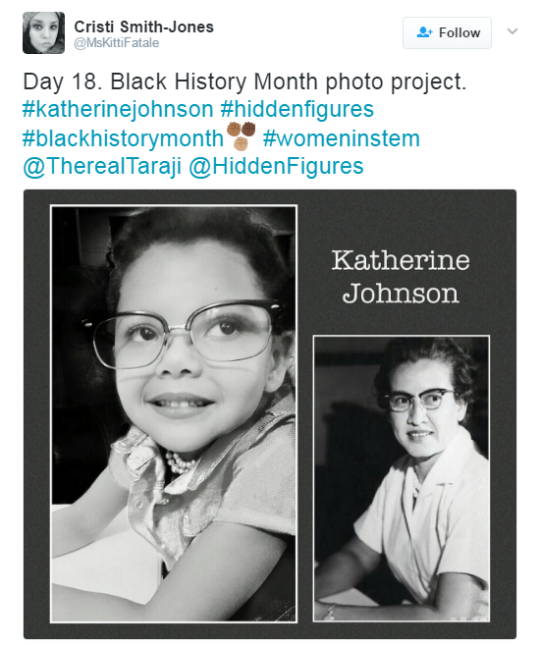
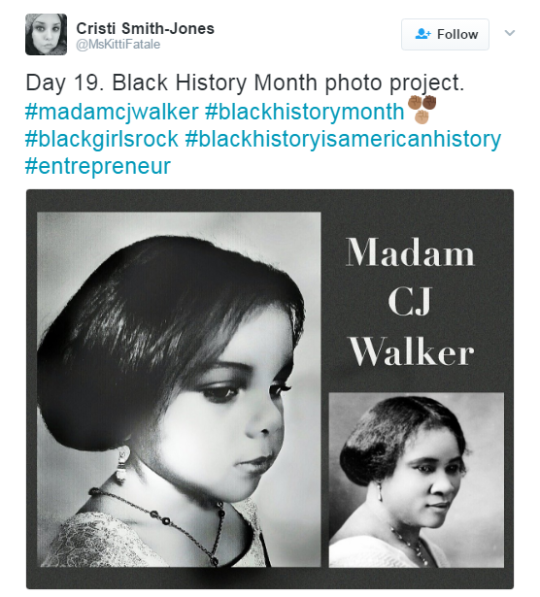
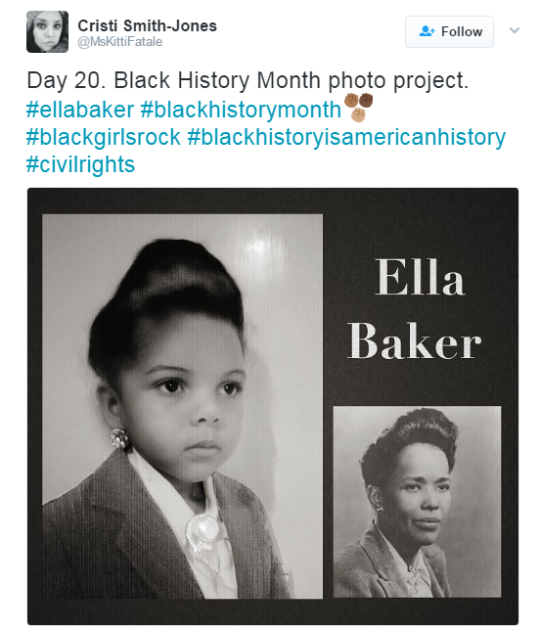
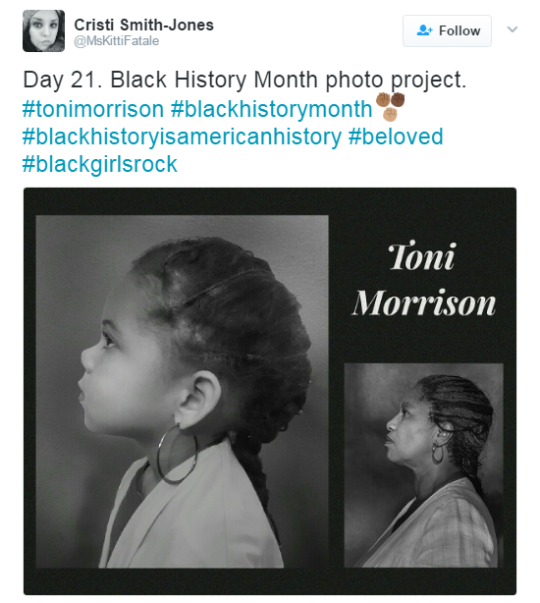
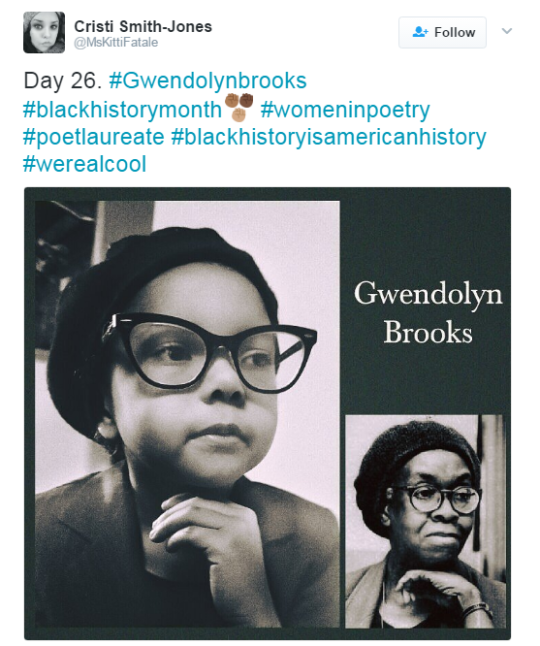
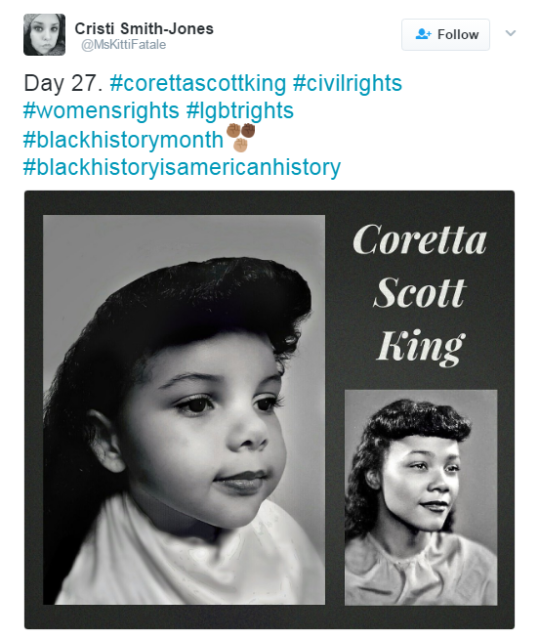

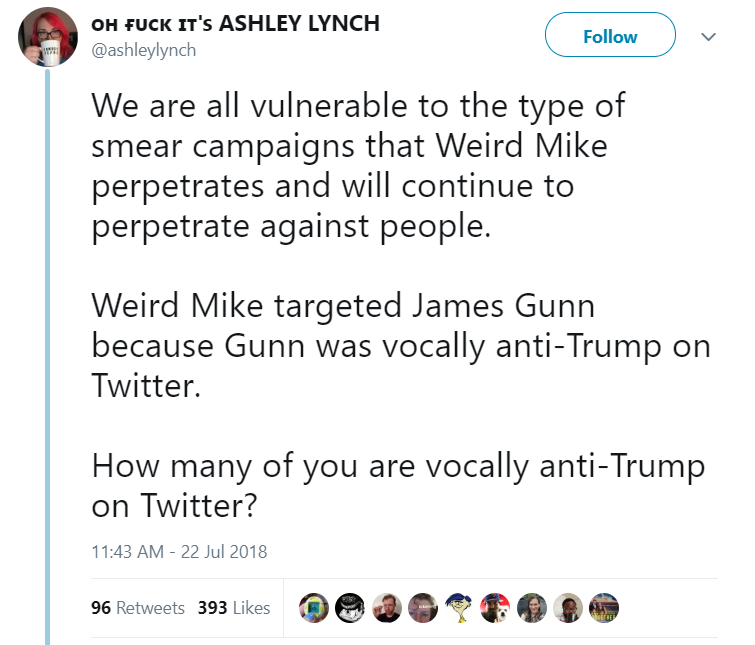
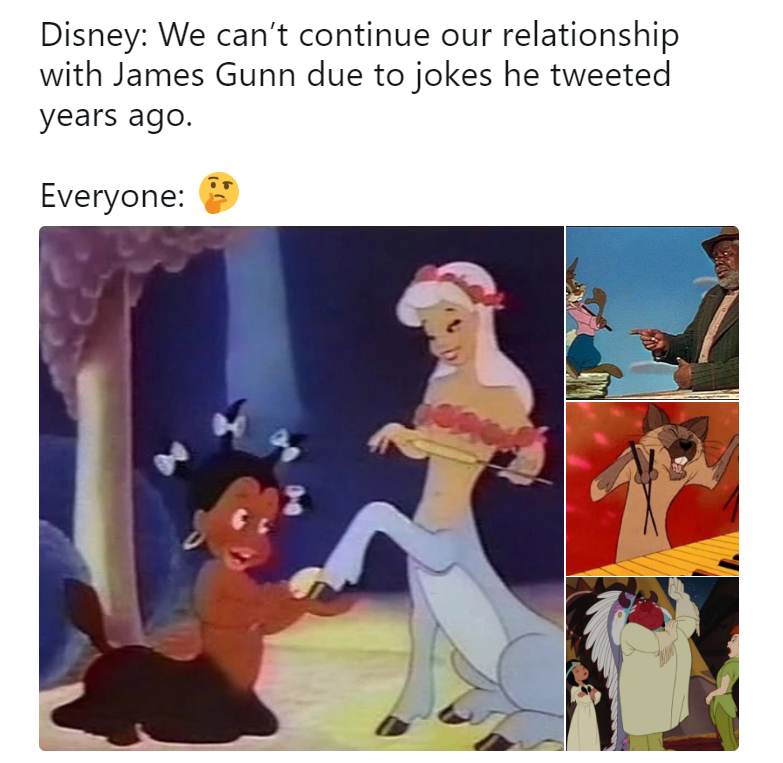
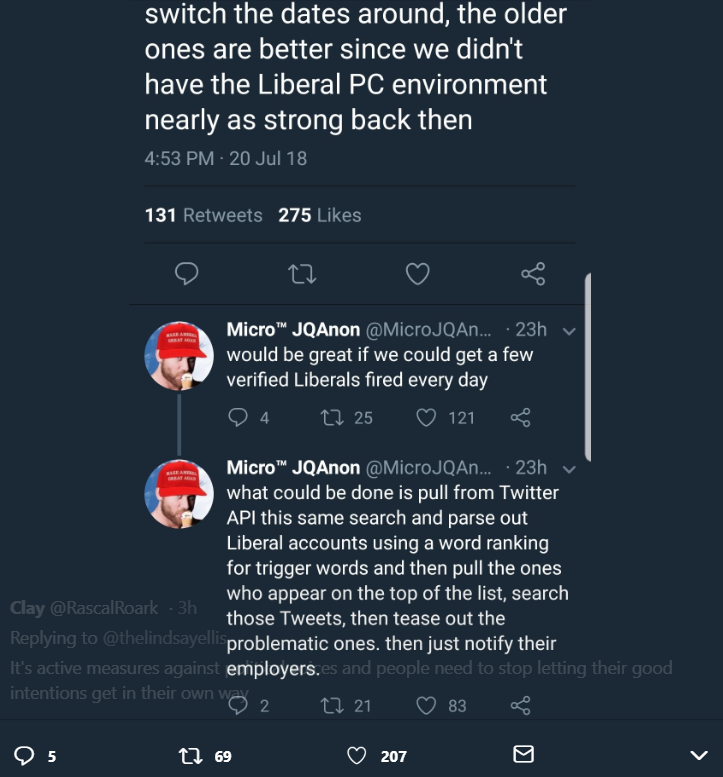


 aceofsquiddles